Abhainn Healing Arts
Trauma-Informed Somatic Bodywork & Conflict Mediation in Portland, Oregon
Address the root causes of your tension, find pain relief, regulate your nervous system, and reclaim deep rest.
Fáilte (welcome).
I'm Muireall (Muir) Brown, a Licensed Massage Therapist and Conflict Mediator based in Southeast Portland. I help people who feel stuck in tension and pain, overwhelmed by stress and anxiety, and/or disconnected from their bodies find relief through a unique blend of gentle Structural Integration, biomechanical coaching, trauma-informed massage therapy, somatics, and equity-oriented facilitation. Together, we directly address the underlying causes of your tension and transform cycles of dysfunction and stress.
Resources related to Irish language, cultural revival, diasporic reconnection, and land defense
About An Abhainn & Muir
Ciallaíonn an focal "abhainn" "river" i nGaeilge.
The word "abhainn" means "river" in Irish Gaelic.Muir, the practitioner behind An Abhainn ("the river"), studies Gaeilge and has an enduring fascination with the flow of rivers and the connections between the wellbeing of the land, the wellbeing of the cultures hosted by the land, and the wellbeing of the people.
They work as a facilitator, somatic bodyworker / licensed massage therapist, trained conflict mediator, and embodied movement teacher.Muir received their first facilitation training in 2015, at which point they fell in love with the practice and began to view all their work through the lens of the facilitator. Their original bodywork training in 2017 as a Structural Integration therapist (see psudoscience and evidence-based practice) kicked off an ongoing, winding, and at times achingly rocky exploration of somatics, pain, conflict, movement, and trauma.This exploration has led them through a number of wayposts including a grief work mentorship program, training and study in equity-informed conflict mediation, their fair share of painful relational ruptures, martial arts training, singing, anthropological training, dance, and restorative/transformative justice facilitation practices.
Education and Training
Core Education
Trauma-Informed Awareness Oriented Connective Bodywork | The Pacific Center for Awareness and Bodywork
Unfold Yoga Teacher Training | Unfold Portland
Bachelor of Science in Anthropology, with a minor in Indigenous Nations Studies | Portland State University
Equity Informed Basic Mediation Training | Marita DeLeon
Introduction to Politicized Somatics | Thirdspace Somatics
Wilderness EMT Training | NOLS
Additional Trainings
Transformative Justice | Spring up
Grief Mentorship Program | Lawrence Cole
Chi Nei Tsang for the Abdomen | Saumya Comer
The Burning Times Never Ended | Rain Crowe
Trauma Aware Conflict Transformation (TACT) | Rain Crowe
Doula Certification Training | The Sacred Birthing School
Foundations in Rewilding | Rewild Portland
Introduction to Pregnancy Massage | The Pacific Center for Awareness and Bodywork
Introduction to Craniosacral Therapy | Oregon School of Massage
Basic Facilitation Training | New College of Florida
Professional Memberships
-American Massage Therapy Association
-Yoga Alliance
-National Registry of Emergency Medical Technicians
-Oregon Mediation Association
Certifications Maintained
-Licensed Massage Therapist Oregon: LMT #24599
-Licensed Emergency Medical Technician Oregon: EMT #211314
-Yoga Alliance RYT 200
-NOLS Wilderness EMT
Lineage
Below is an extremely incomplete and probably not up-to-date list of the folks whose work, teachings, legacies, and/or mentorship have supported me in developing my understandings and practice:the old live oak in my grandma's front yard, the pond minnow I accidentally squished as a child (the memory remains visceral and emotionally charged), the forgotten coast, the homelands of the Apalachee people, my ancestors, animal friends, animals i have killed and eaten, Wilhelm Reich, Shambhavi Sarasvati, joanna macy, D'ana Valenzuela, Dr. Maria Yellow Horse Brave Heart, Murray Bookchin, Vanessa and Rick, Michele Gamburd, adrienne maree brown, jessi radovich, Sky, Diane Chancy, Rain Crowe, Ahlay, Michael Yellow Bird, Bear, Miss Sivvy, Meenadchi, Irish Grounded Connections, Patricia Hill Collins, Rev. angel Kyodo williams, Deborah A. Miranda, Michael Polon, Conrad, Sade, Ida Rolf, tsongkhapa, queer nature, Brian O'Hairt, Peter Michael Bauer, Barbara Essman, Audrey Smedley, Jeannine Meis, Angela Davis, John Newman, Helen Kesler, the monks of the Bhavana Society, peter gray
Somatic Bodywork
Somatic Bodywork and Strucural Integration in Portland: pain relief, stress release, and deep rest
My practice is evidence-based, trauma-informed, and built on the understanding that deep physical relief requires a nervous system that feels safe enough to relax.Whether you need rigorous therapeutic massage to help address chronic pain; a biomechanical overhaul to help you move more freely; a gentle approach that holds space for your story and experiences of trauma; or gender-affirming care that respects your identity, we will work together to break cycles of tension and to reconnect you with your body in a way that respects your boundaries, your current capacity for integration, and your lived experiences.I am a body-positive, Health at Every Size (HAES)-oriented, and trans-friendly provider trained to support the specific needs of folks who have historically been poorly served in healthcare settings.No matter where you're coming from, let's work together to create new patterns of movement, embodiment, and rest that support you toward feeling more vibrantly alive.
Cost
My work generally costs $100 / Hour.If that price isn't accessible for you, I also work on a sliding scale, seen below. You can apply for my sliding scale rates here.
0.5 Hour: $33-$50
1 Hour: $55-$100
1.5 Hours: $77-$150
2 hours: $111-$200
If the sliding scale isn't accessible for you either (and/or if you have something really cool to trade) I'm open to trades on a case-by-case basis. See my page on trades for more info.
Modalities and Techniques
Somatic Bodywork
Gentle Structural Integration
Medical Massage
Myofascial Release
Neuromuscular Re-Patterning
Therapeutic / Sports Massage
Biomechanics / Movement Support
Pelvic Floor Support
Pregnancy Massage
Trauma-Informed Touch
Craniosacral
Office & Accessibility
Click here for photos and detailed information about my office.
More info on my background and approach
Do you carry tension that your body won't release?
Maybe you find that you just can't relax no matter how hard you try. Maybe you feel as though a pane of glass lies between you and your body or the rest of the world. Maybe you've avoided touch due to past traumas, neurodivergence, or encounters with providers who didn't understand you and your needs. Maybe you're tired of spaces that assume a one-size-fits-all approach.I work with clients who have chronic pain. Tightness that returns no matter how much you stretch. A feeling of disconnection from your body—like you're living in a house you can't fully enter.Standard massage relaxes muscles temporarily. But, especially if the pain keeps coming back, the root often isn't just muscular: it's your movement, your habits, your relationship with yourself, and your holding patterns of stress, conflict, and trauma. Your body may struggle to fully let go if you haven't felt truly connected to your embodied boundaries or safe with a provider.
My Somatic Bodywork is rooted in deep listening and affirmation. Inclusive, trauma-informed care for every body.
This is trauma-informed, equity-informed, evidence-based, gender-affirming care designed for folks who need more than a standard treatment. Using gentle Structural Integration, myofascial release, and neuromuscular re-patterning, I help you break those holding patterns at the source. We start where you are—safety first. My goal is to reconnect you with your body at a pace that feels right, so you can take a full breath, feel your boundaries, and find rest that actually lasts.Whether you're navigating chronic pain, an old injury, trauma around touch, dysphoria, or the physical toll of systemic stress, we'll work together to create new patterns of movement and awareness. Each session begins with a centering practice and unfolds from there—addressing what your body is actually asking for.
The work I do is particularly designed for folks who:
Have experienced trauma and/or have historically felt unsafe in healthcare settings.
Want rigorous evidence-based therapeutic work designed to address the root causes of or effectively help manage your pain or discomfort.
Need a massage therapist specifically trained to support pregnancy and/or pelvic floor concerns
Want to reconnect with their bodies without fear, shame, or assumption.
Are queer, trans, non-binary, or cisgender seeking body positive, Health at Every Size-oriented, and gender-affirming care that honors your whole story.
Need a provider who understands the intersection of identity, pain, and nervous system regulation.
A Note on Frameworks
My work draws from structural integration, pain gate theory, trauma-informed care, Hakomi, yoga, and many other scientific and wisdom traditions. During your session, it's up to you how much we stay in evidence-based territory and how much we extend into other frameworks and tools—runes, tarot, whatever works for you. While staying grounded in the evidence, we can make room for the mystery too. Read more about my frameworks, as well as my thoughts on pseudoscience, evidence, and making spaces for different perspectives here
Structural Integration Ten Series
Please note that due to the commitment level involved in a Structural Integration ten series, I don't offer this service to first-time clients. Book a session of regular somatic bodywork with me first before proceeding with SI.Developed by Dr. Ida Rolf and arising out of the lineage of somatics (or, as I practice it, "The West's" attempt to reckon with its recent centuries of chronic and prolific personal, communal, and cultural disembodiment), Structural Integration at its core seeks to help you come into a closer, more integrated, and more free relationship with your body through contacting all parts of the body via ten series of targeted bodywork.We begin with three foundational sessions focused on the breath, the lower legs, and the capacity for reach. We then move into three deeper core sessions focused on the pelvic floor, the abdomen, the back, and the neck / face / facial orifices. We end with three free form "integration" sessions focused on helping you solidify and metabolize the work that we did throughout your body.The ten series can be used as a chance to explore and celebrate your body, as an opportunity to engage with and move through issues or traumas surrounding touch, or as a time of deep reflection and reorganization of personal energy.Structural Integration has, historically, subscribed to the heavy-handed "no pain, no gain" approach to bodywork. It is also classified as a pseudoscience in part because of its ideas about fascial molding. My approach to Structural Integration emphasizes gentle, deep, slow touch; mapping embodied boundaries; and nervous system regulation.If you are interested in ten series of Structural Integration with me, you can set up a consultation to learn more.
Bodywork FAQs
Are you a mental health therapist / do you offer psychotherapy?
No to both!
I am not a licensed psychotherapist, and I do not provide psychotherapy to clients. However, I do think that the kind of awareness-oriented somatic bodywork I offer can be very complementary to the work that is done with a skilled psychotherapist (or an elder, spiritual advisor, etc), and vice versa. In fact, I recommend that clients who come to me for bodywork also be in some kind of therapy for extra support. If you are not seeing a psychotherapist but would like to be and want some recommendations feel free to contact me.
What is Somatics
Somatics is a tradition developed by thinkers like Wilhelm Reich, author of The Mass Psychology of Fascism. It arose in "The West" as a response to the chronic disembodiment and alienation from self, body, and community found in our context. It uses a variety of body and awareness-based tools to try and bridge spaces of disconnection and to re-forge a sense of fluid integration between mind and body.
Do you take insurance?
Maybe. I'm working on it. Send me your deets and we can see.
Will you massage me with your clothes off and/or perform other sexual services?
Nope.
The work that happens at An Abhainn is currently non-sexual in nature, for legal and ethical reasons. While it is perfectly normal and natural for many people to experience sexual feelings and physiological reactions during bodywork, acting on these feelings is not acceptable in this context and would be a violation that would result in a severance of our relationship.
Inquiries of a sexual nature will not be considered or responded to, and any potential clients who make such inquiries will be refused service at Abhainn Healing Arts. (Please note that requests to work intentionally with sexual trauma are perfectly fine and would not result in a ban.) Sexual misconduct will not be tolerated in my practice.
embodied movement
Currently on hiatus. If you're interested in attending a class with me, contact me and I'll be sure to let you know when they start up again~~~
These classes seek to help you connect with yourself so you can connect with others (and maybe even start to blur those lines). To help you calm down, relax, feel your feelings, get in touch with your boundaries, and befriend yourself and your life so that you have the space and integrity needed to be of service to the world.The embodied movement I teach is rooted in disability justice and accessibility: this means that everything we do is opt-in and designed with flexibility in mind so that almost anybody in any body can get something helpful out of the practice.
I also hold a weight-neutral space, meaning that the goal of our work isn't to lose weight, we don't uphold diet culture, and we aim to honor and work with our bodies, not critique and pathologize them.
Some Resources for Learning More
The Politics of Trauma- Staci Haines
Better Movement by Todd Hargrove
Katy Bowman's work on movement nutrition
Painful Yarns by Lorimer Moseley
Your Body, Your Yoga by Bernie Clark
Natural Posture for Pain Free Living- Kathleen Porter
Embrace Yoga's Roots- Susana Barkataki
Your Body, Your Yoga- Bernie Clark
The Radiance Sutras- adapted and translated by Lorin Roche
Resources and Readings
Basic Needs Resources
-Rose City Resource Guide from StreetrootsCrisis Lines and Alternatives to PoliceBiomechanics Resources
-Pain Gate Theory
-Better Movement by Todd Hargrove
-Katy Bowman's work on movement nutrition
-Painful Yarns by Lorimer Moseley
-Your Body, Your Yoga by Bernie Clark
-Natural Posture for Pain Free Living- Kathleen Porter
-Lost Posture: Why some Indigenous cultures may not have back pain - Michaeleen DoucleffEmbodiment and Trauma
-About Trauma-Informed Care
-"Embodiment Means Being Torn Apart and Flying Away" - Joshua Schrei
-Decolonizing Trauma Work by Renee Linklater
-The Neurodecolonization Work of Michael Yellow Bird
-The Body Keeps the Score
by Bessel van der Kolk
-Healing Sex and The Politics of Trauma by Staci K. Haines
-Healing Developmental Trauma by Laurence Heller, Aline Lapierre
-Radical Dharma: talking race love and liberation by rev angel Kyodo williams, Lama Rod Owens, Jasmine Syedullah Ph.D
-The Body is Not an Apology by Sonya Renee Taylor
-Post Traumatic Slave Syndrome: America's legacy of enduring injury and healing_ by Dr. Joy DeGruy
-Embodiment Basics Course from The Embodiment Institute
-Somatic Snacks by TacoCat Wellness
-Insight Meditation Society Retreats (online and in-person)
-Open Dharma Talks and Meditations
-Yoga Nidra and Deep Rest Practices
-Generative Somatics
-Unfold Portland
-Somatic IFS
Other Resources of Potential Interest (in no particular order)
-a Haudenosaunee thanksgiving prayer
-the village mystery school
-Joanna Macy on world as lover, world as self / the work that reconnects
-kohenet hebrew priestess institute
-queer nature
-people's echo
-irish grounded connections
-Braiding Sweetgrass: indigenous wisdom, scientific knowledge, and the teachings of plants by Robin Wall Kimmerer
-Sand Talk: How Indigenous Thinking Can Save the World by Tyson Yunkaporta
-Radical Dharma by rev. angel Kyodo williams, Lama Rod Owens, and Jasmine Syedullah
-the work that reconnects
-The Radiance Sutras translated by Lorin Roche.
-Oyology by Minna Salami
-Nordic Animism
-invasion of america
-A Peoples' History of the United States by Howard Zinn
-the construct of resilience: a critical evaluation
-quality land acknowledgements for the portland area
-cession 352, the treaty between the "calapooia" + "confederated bands of willamette valley" and the united states government (you can read more about willamette valley treaties here)
-turtle island
-oregon's indigenous history
- An Indigenous Peoples' History of the United States
-Kalapuyan history
-Gendercide in Spanish California
-Vanport
-racist and classist eminent domain seizures in portland
-POC history in Oregon
-race exclusion laws in oregon.
-Unsheltered peoples' demographics in Portland
-spring up
-call on me, not the cops
-"what is transformative justice" from the Barnard Center for Research on Women
-the abolition and disability justice coalition
-mad survival tools: stay mad, stay together
-mad maps for the pandemic
-rethinking mental health: history of the mad movement and alternatives to biomedical approaches
-Laziness Does Not Exist- Devon Price
-Joyful Militancy: Building Thriving Resistance in Toxic Times by Carla Bergman
-inquisitive human classes
-emergent strategy and pleasure activism: the politics of feeling good by adrienne maree brown
-decolonizing nonviolent communication by meenadchi
-animist arts
-bridging complexity collectively: individualism as a system of oppression
-relational uprising
-queer attachment: an anti-oppression toolkit for relational healing
-emergent liberation collective
--Start Here, Start Now by Bhante Gunaratana
trade with me!
Things are hard out there, folks, and looking to get harder.
Right now we need each other more than ever.
If you think you would benefit from working with me, but the cost is beyond what you can afford right now, we might be able to work out a trade!In particular, I feel open to trading anything that I do for:
-bike mechanic services
-auto parts (as needed)
-groceries and cooked gluten free/pork free meals
-tailoring and sewing services
-baskets and other useful crafts
-spa time
-cool classes (currently interested in crafts like basketry and bow-making, as well as birding, sailing, fishing, plant identification, foraging, and animal tracking / hunting / processing)
-computer and tech support
-carpentry and building support
-free admittance to events / plays / movies
- house sitting services
-bodywork from trained / licensed practitioners (I’m mostly interested in receiving slower compressive/stretching styles of work like thai, myofascial, craniosacral, and gentle SI)
-herbalist and acupuncture services
-potentially something cool you have access to / know how to do that I haven't thought of yet.Contact me if you wanna trade something, and we'll see what we can work out.
Trauma-Informed Care
The term “trauma-informed” nods to the understanding that trauma (personal, historic, generational, societal) impacts our relationships with our bodies, our health, our communities, our healthcare providers, our ability to feel safe and calm, and our ability to heal and feel better. The word "trauma" here is referring to any event or series of events that a person struggles to process and integrate: this can be events from childhood or adulthood, things one directly experienced, things one has witnessed others experiencing, etc. People often feel the impacts of trauma through experiences like numbness, anxiety, anger, loneliness, relational dysfunction, addiction, physical pain, fatigue, hyper-vigilance, frightening alternate realities, and many other feelings and coping strategies.In all my work, I seek to offer a space where we acknowledge that trauma, in one form or another, is in the room with us. Knowing this, we do our best to work at the pace of felt safety, not pushing past our embodied boundaries. We seek to cultivate a space where we invite ourselves, at our own pace and in our own time, to move toward embodiment and agency and away from chronic numbness, dissociation, and fear. In bodywork sessions, this can look like slowing down and not pushing through embodied boundaries to "do a massage" in the way we might have been taught massage is supposed to look.Finally, in the spirit of trauma-informed care, I aim hold a space that acknowledges and works to minimize the power dynamic that arises between practitioners and clients in health care settings. In our session, I will seek to hold myself as an advisor and collaborator, not an authority, and I ask that you work to see yourself as the authority on your own body and to take ownership of your session.
Send me an email
I check my email and phone messages Sunday-Thursday and generally aim to respond to new messages within two business days.

Appointment Booked!I look forward to seeing you soon.Go raibh maith agat
(Thank You)
Message sent!
Stay tuned for more.Go raibh maith agat
(Thank You)
Testimonials and Reviews
To see more reviews, check out my google listing.
"Although the mediation process ultimately did not move forward, my experience working with Muir in accomplishing communication goals and in the preparation phase left a very strong impression of their skill and professionalism.Muir brings a remarkable depth of experience and an incisive mind to mediation work. They are able to quickly distill complex interpersonal dynamics to their core elements while maintaining a thoughtful awareness of nuance and context. Their communication is clear, careful, and grounded in a strong vision of process.
What stood out especially was Muir’s commitment to safety and their trauma-informed, somatic approach. They understand how conflict affects the nervous system and skillfully create space that helps reduce tension and support regulation. Their sense of timing—when to slow down, when to pause, and when to invite further reflection—seems almost intuitive and contributes to a sense of wise steadiness even when addressing difficult issues.
Our situation also required exploring an asynchronous approach, which was somewhat outside Muir’s usual format. I appreciated their openness and willingness to thoughtfully consider how to adapt the process to the needs of the situation while maintaining process integrity.
Even though the mediation itself did not ultimately proceed, I would have felt very comfortable moving forward with Muir as a mediator. Their compassion, clarity of thinking, and awareness of power and structural dynamics make them exceptionally well suited to guiding complex and sensitive conflicts."
-Jenny Stoffel
"I really appreciate how they are able to gently coax my mind to the process. It feels more collaborative than other practitioners I've worked with. The pressure and long holds help me tune in with how that piece of me is connected to the rest of me and just breath into it...I've never felt more seen and understood by a practitioner before and it makes a big difference in feeling safe."
- J
"Muir is amazing! i've had multiple sessions with them and leave feeling rested and back to equilibrium each time. Muir is thoughtful, and caring from start to finish. I felt comfortable and held."
-Grace
"Muir is an exceptional bodyworker. I have traded bodywork with them on multiple occasions.....
I recommend Muir to everyone looking for myofascial work as well as anyone who wishes to find a quiet mind from a genuine, caring and intelligent being."
-Sophie
"I had the experience of safety and atunement that is so necessary for me when I receive this type of work. muir has an intuitive sense of what our bodies need to open up and activate their own inherent resources. Thank you!"
-Vinnie
"Honestly, this was the best massage i have ever received. i didnt realize that a massage could feel this good, nor did i realize that a massage could be so healing. i had experienced relaxing massages before, but never one that provided so much space for healing to occur as well as relaxation, and without any pain. i felt like i was in control of the pace and pressure and like we were collaborating on finding exactly what my body needed. i will definitely be coming back. thank you!!" - Brianna
"Muir is amazing! Every aspect of the experience is so thoughtfully curated. I always leave feeling relaxed and back to a state of balance. I haven’t experienced anything like it."
-Anonymous
"Muir is extremely knowledgeable about the body and explained different processes thoroughly. I left the session feeling much more relaxed. They also followed up after with recommendations and different things that might improve the pain that I have. Looking forward to more sessions."
-David
community conflict mediation
Basic Info
Community Conflict Mediation in Portland: From Polarization to Mutual Understanding
If you're stuck in a conflict where you feel overwhelmed, unsafe, or unsure how to proceed without losing yourself, I may be able to help. I offer support rooted in somatics, equity, abolition, restorative justice, and relationship anarchy. My approach centers deep listening and helps people shift from polarized positions to mutual understanding while maintaining awareness of power dynamics, boundaries, and needs. Whether you're navigating friendship ruptures, community disputes, or relational conflicts, I use trauma-informed somatic practices, rigorous conflict analysis, and decolonial frameworks to help you connect with yourself and others through the conflict—not around it.
Cost
Community rate: $100/Hour
Rate for businesses with employees: $200 / Hour
Sliding scale rates available at $30-$100/Hour. apply here.
Trades accepted on a case-by-case basis
Expect a full standard mediation process to take ~five hours total for two people (including one hour of admin / planning time for me).
First Steps
If you're interested in working with me, book a free 20-30 minute consultation where we can discuss your situation in more detail.
Office and Accessibility
You can learn more about my office space here.
Not Court-Adjacent, Court-Mandated, Arbitration, or Psychotherapy
I am not a licensed psychotherapist and I do NOT provide arbitration services or court-adjacent mediation at this time (business contracts, housing, divorces, small claims, etc.). For ongoing relationship therapy or legal arbitration, see my referrals below. The work that I do is specifically for friends, family members, partners, neighbors, and community members experiencing relational ruptures who want a collaborative, equity-informed path forward, outside of the court system.
Court-Adjacent Mediaiton and Arbitration Resources
Family / Relational Therapy Resources
More on my background and approach
Conflict is normal, natural, and potentially healthy.
But when you're entangled in conflict, sympathetic nervous system arousal—fight/flight/freeze—can make reflection, connection, and reason physiologically inaccessible. You end up saying things you regret, cycling through painful patterns, or withdrawing completely. Most people try to "talk it out," but when nervous systems are dysregulated, talk alone doesn't reach the root. We've all been there.
My Community Conflict Mediation goes deeper than standard conversation.
Using trauma-informed somatic practices, insight methods, deep listening, rigorous conflict and power analysis, unflinching honesty, and decolonial anthropological frameworks, I help you navigate conflict in a way that preserves both your health and your relationships. We don't avoid the hard stuff—we use it. When held well, conflict opens space for greater intimacy, reveals the edges of your comfort zone, and clarifies your values. Each session begins with centering and unfolds from there, addressing what your body and relationship actually need.
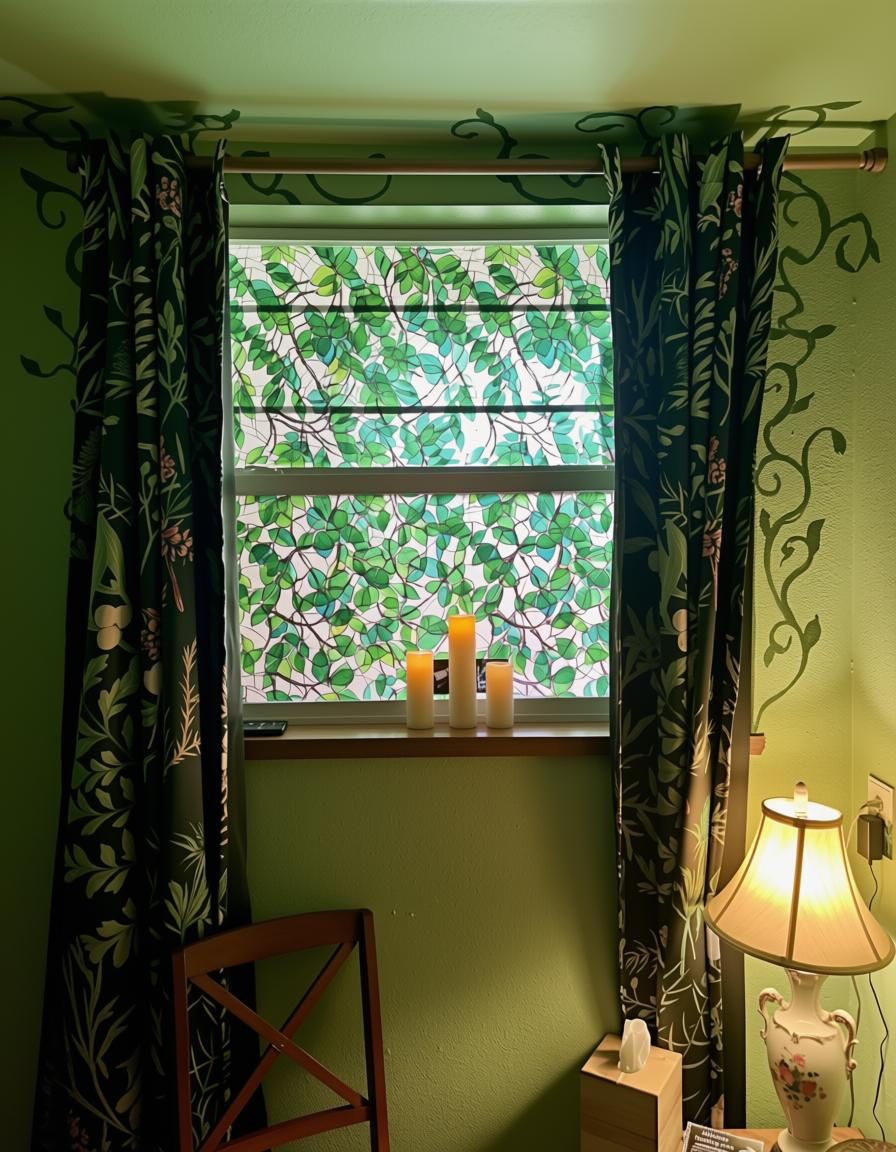
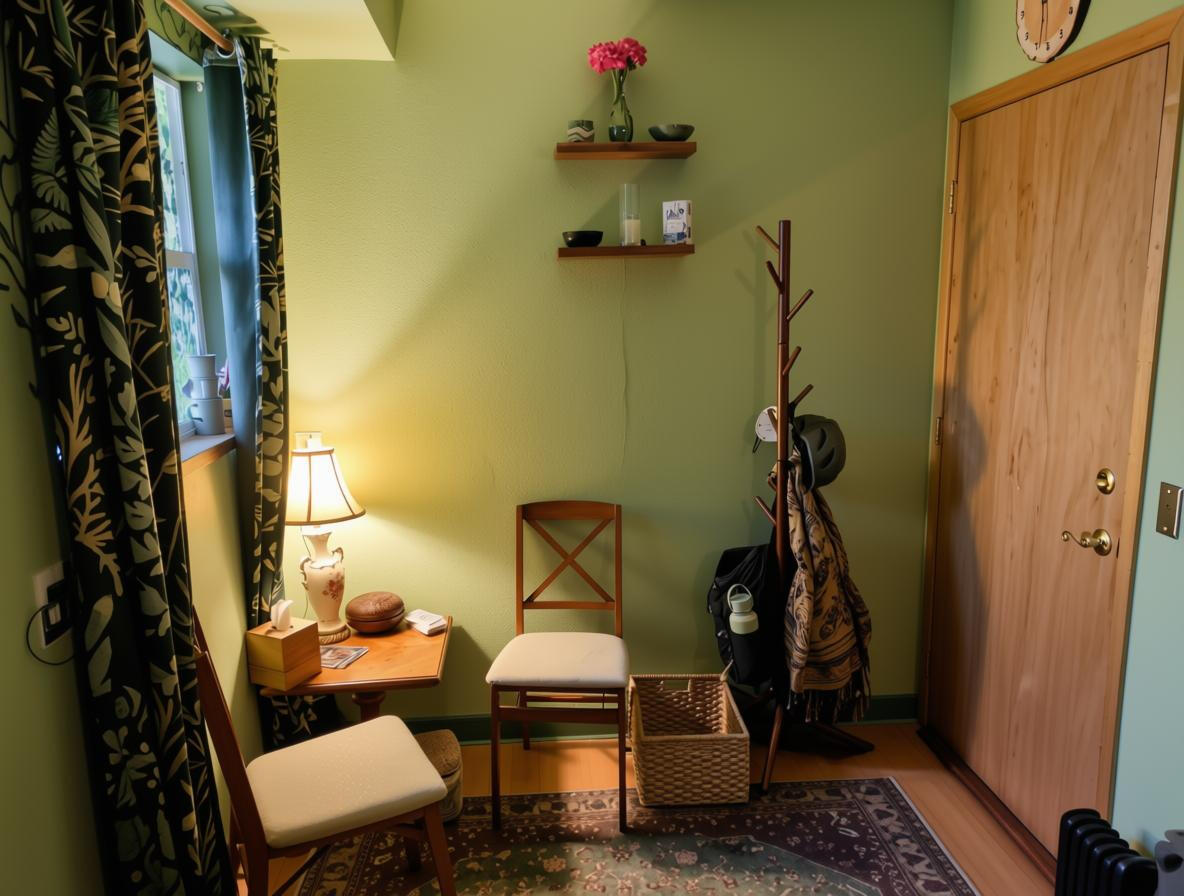
My office is based out of Be Abundant Care Collective, a queer-centered + body-positive care space. All are welcome. The space is wheelchair-friendly, sensory-friendly, and prioritizes various types of accessibility.I see both bodywork and mediation clients in my private office at Be Abundant.
Accessibiliy Snapshot
Covid
Masks Required in Common Areas of office
Masks optional in my private office (I will mask for folks who want this)
Air purifiers running throughout office space
Physical and Sensory Accessibility
Low Scent
Low light
Wheelchair accessible
Armless chairs with 400lb capacity
Work off of a thai mat
Can come to clients who aren't able to come to me
Informed Consent through every stage of the process
Working directly with nervous system states as they arise
Goal is to keep you in touch with your body / at baseline and to provide expereinces you can integrate
Other
As with most things, I'm open to feedback re// accessibility. If you see something important that's missing please let me know!
More Accessibility Details
Covid
While I do not require masks in my private office, the building I work out of is a health collective that requires masks in the common areas of the building and provides them at the front door. I will ask you about your masking preferences when you book and let you take the lead from there in terms of masking in my office. I am willing to mask for any client who wants or needs this. I keep an air purifier in my office.Physical and Sensory Accessibility
I work out of an office that is low-scent, low-lit, and wheelchair accessible. There may be scents from botanicals and botanical components present on any given day. For seating, I provide armless chairs with a 400lb weight capacity as well as cushions on the floor. I do bodywork off of a futon mat on the floor: if this won't work for your body, contact me and we can find an alternative arrangement.Trauma-Informed Care
I start with a consultation call and extensive intake process for every new client. I'll ask you about your goals, desires, things that can upset you, and how to best support you when you're stressed. We'll work directly with your bodies boundaries and responses as they arise. My goal is to keep you in touch with your body during our time together and to help you have experiences you can integrate.Other things
As with most things, I'm open to feedback re// accessibility. If you see something important that's missing please let me know!
Photo Gallery
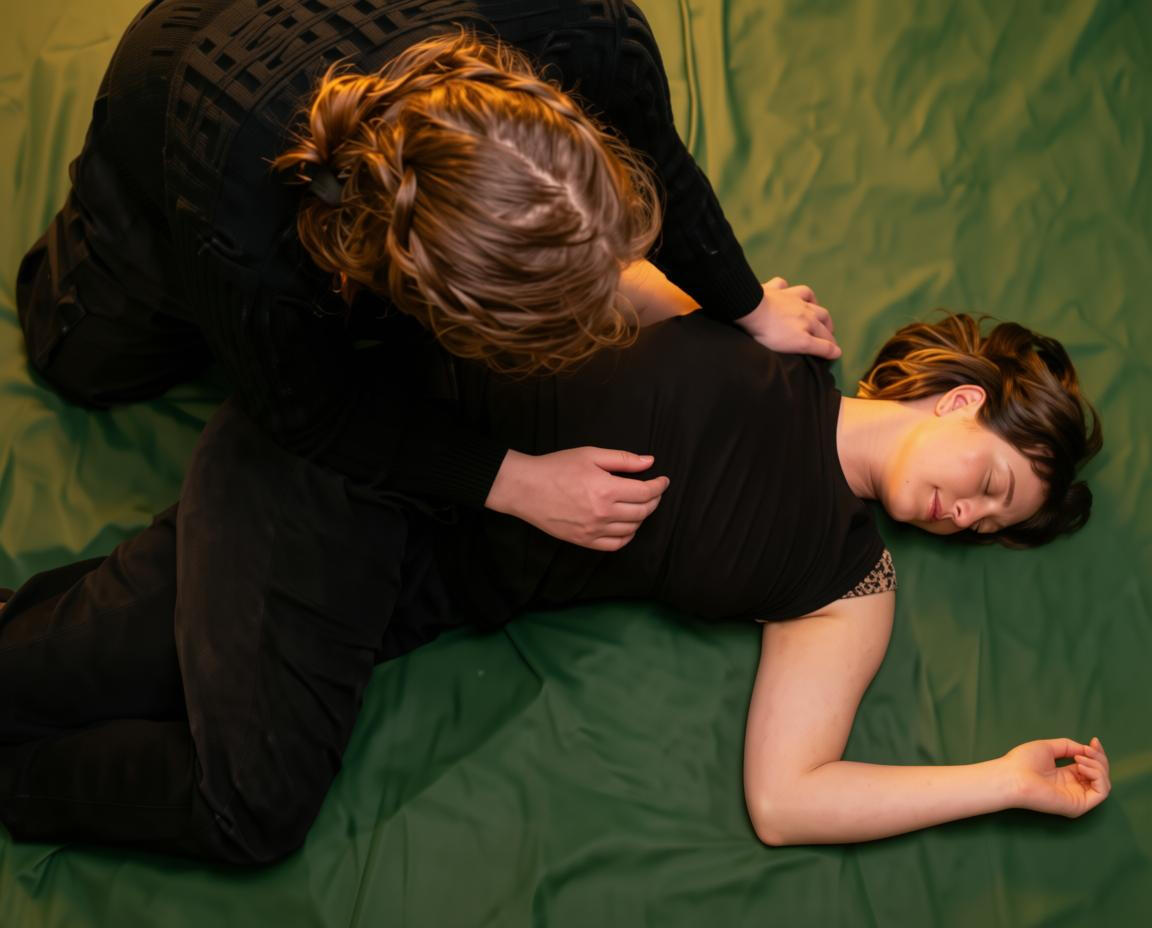
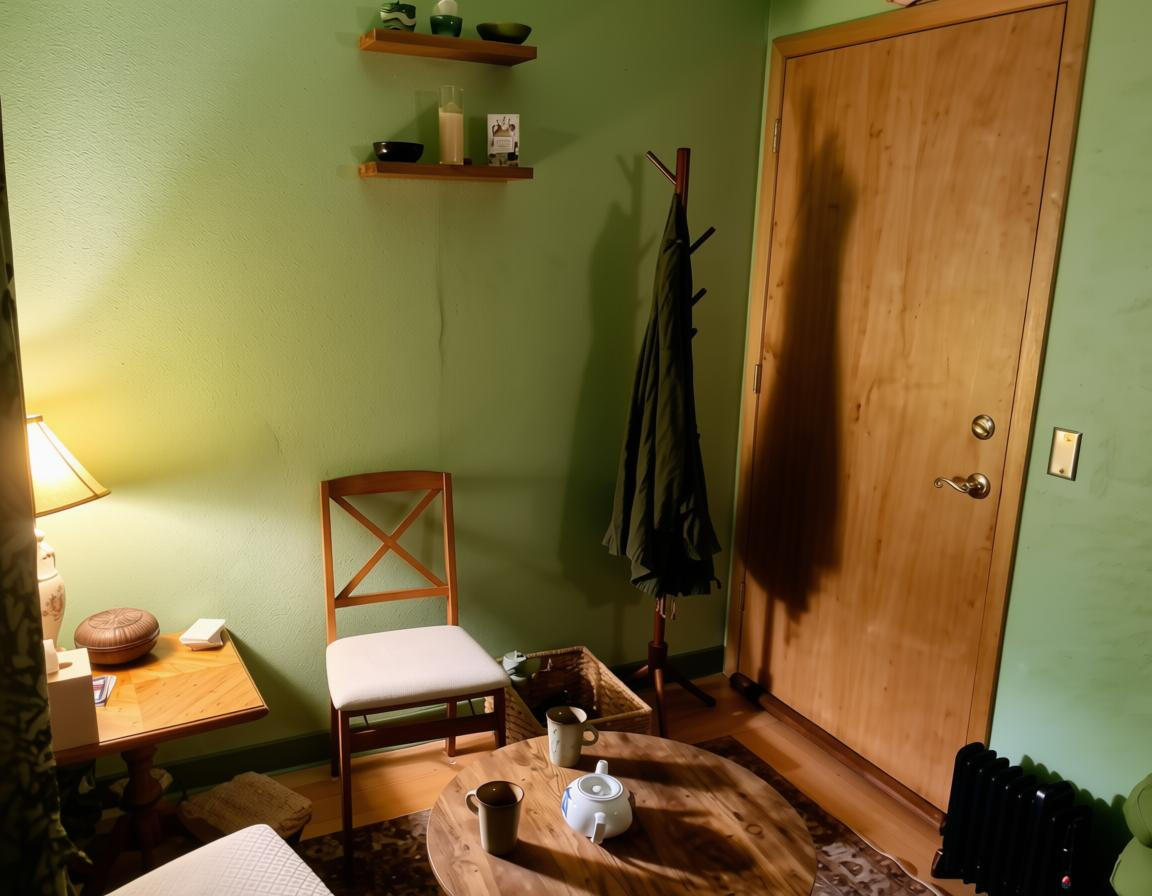
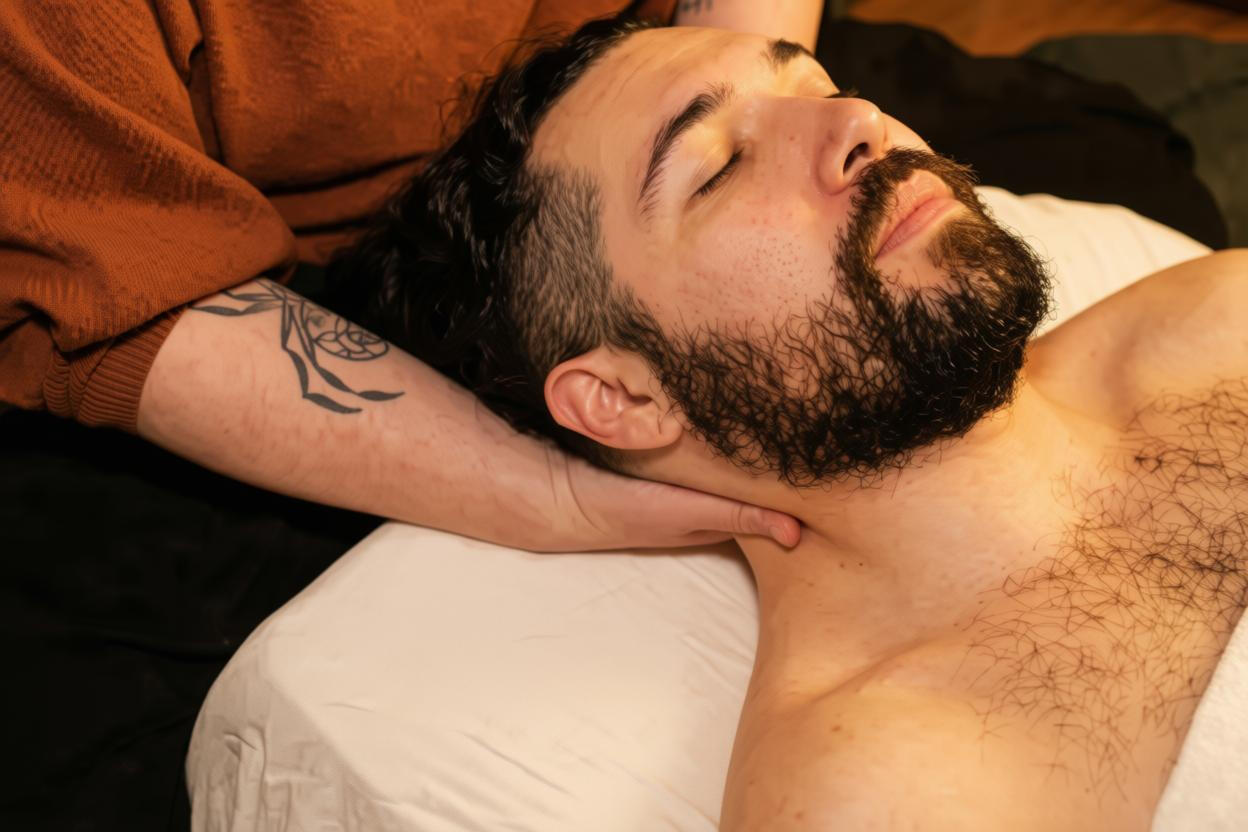
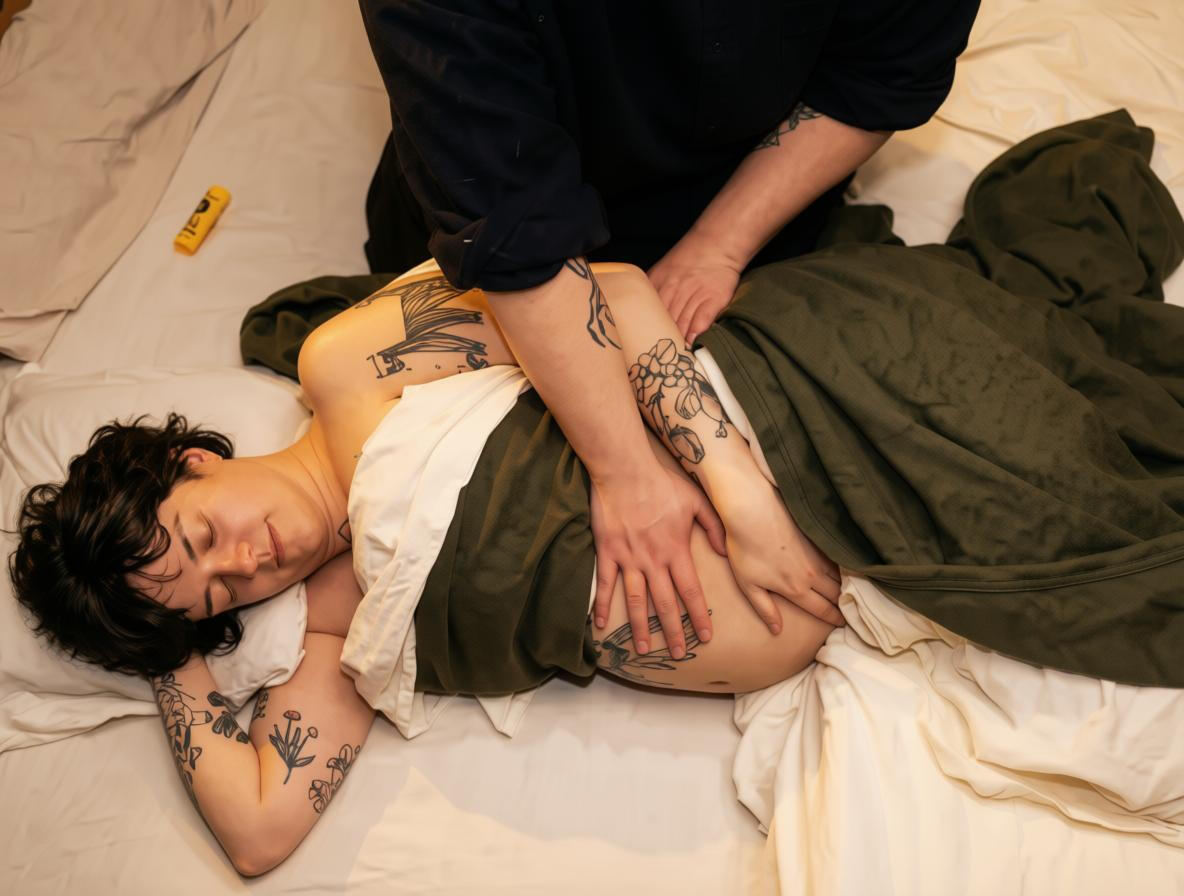
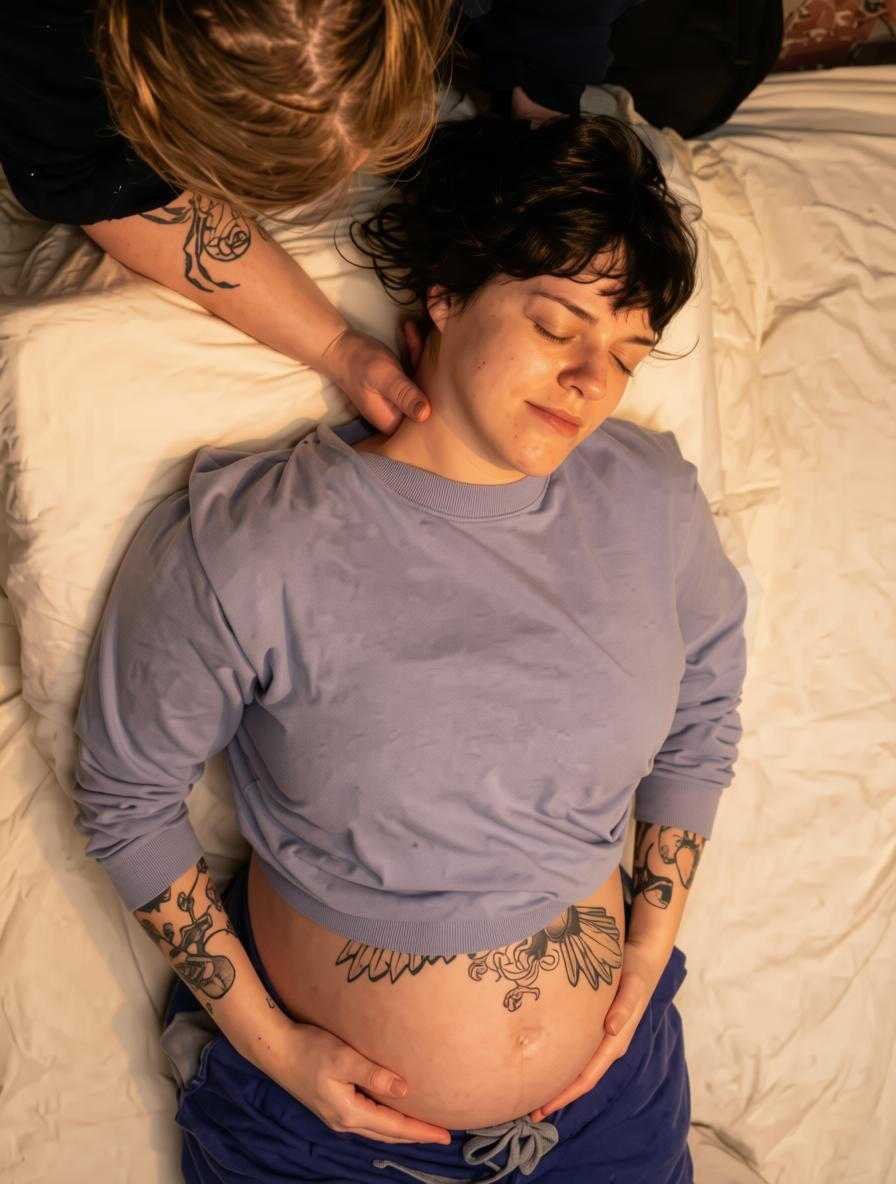
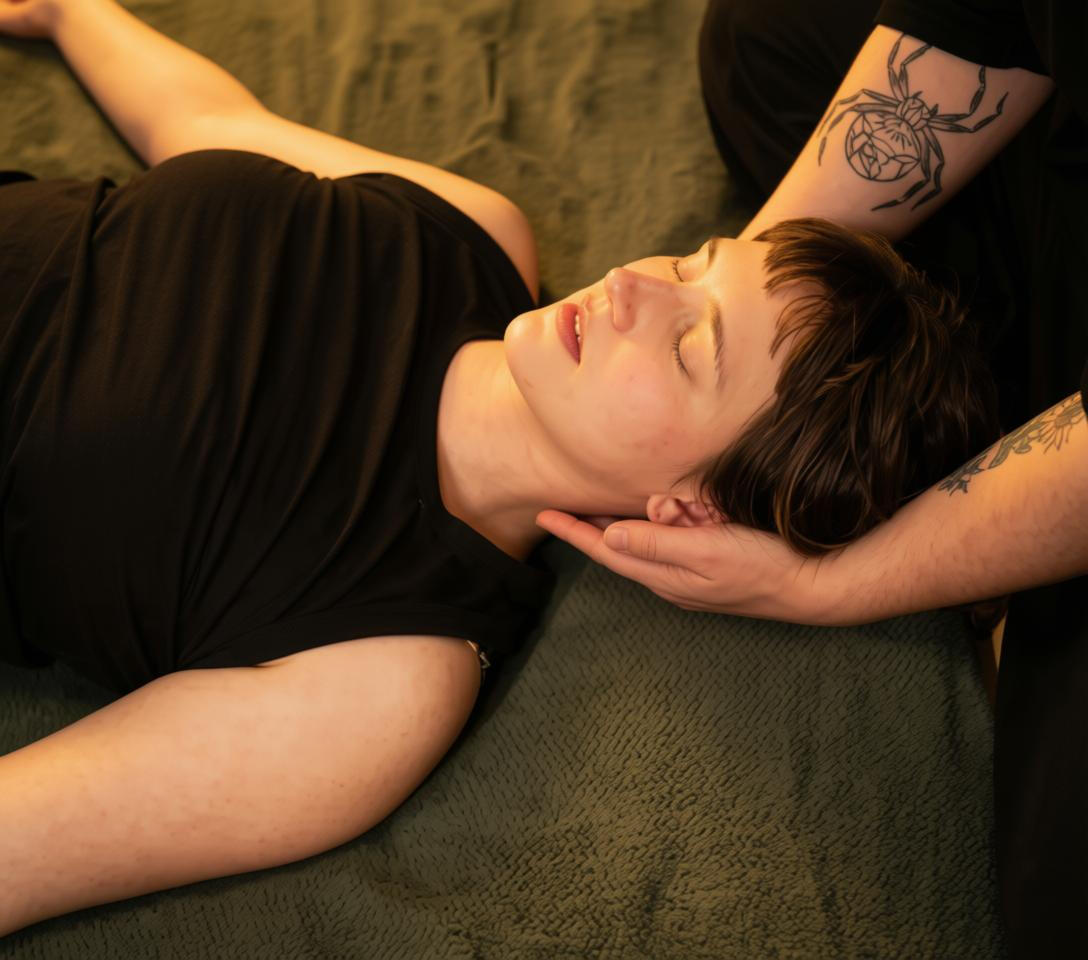
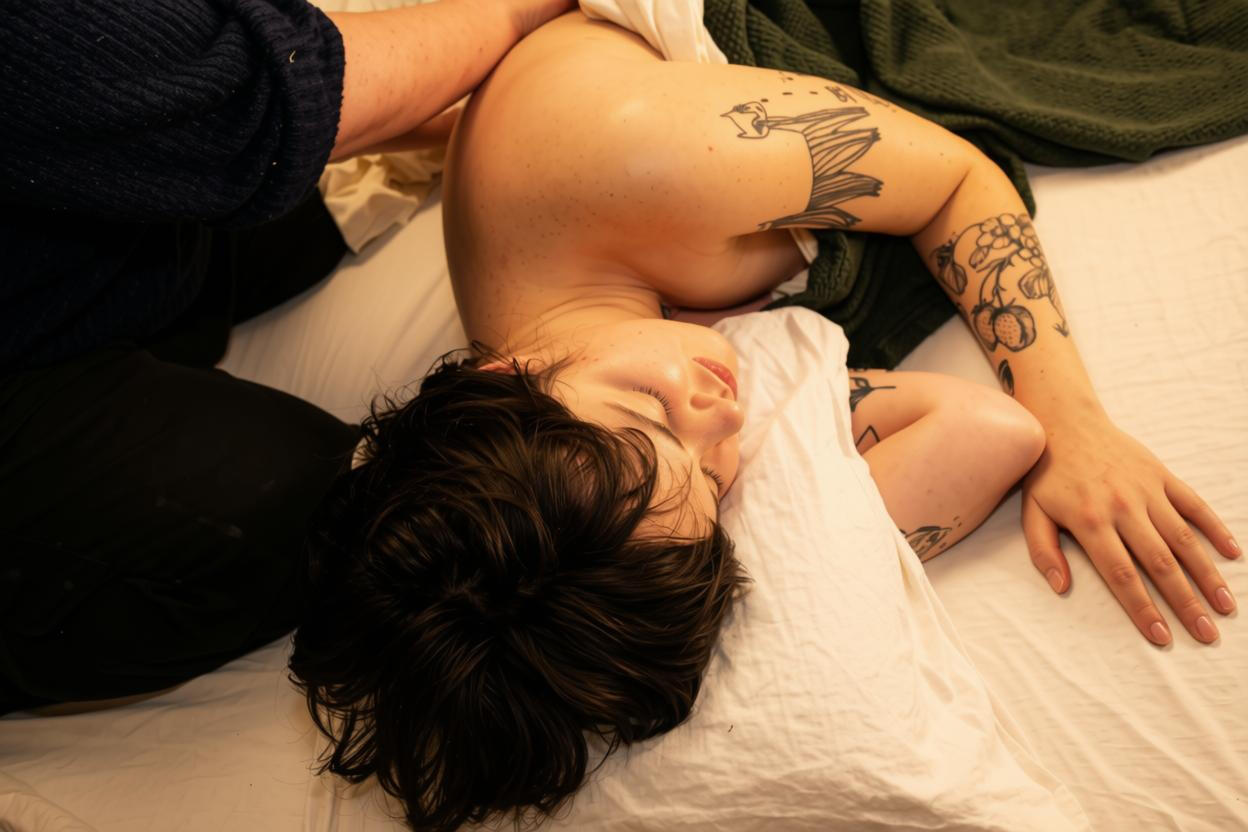
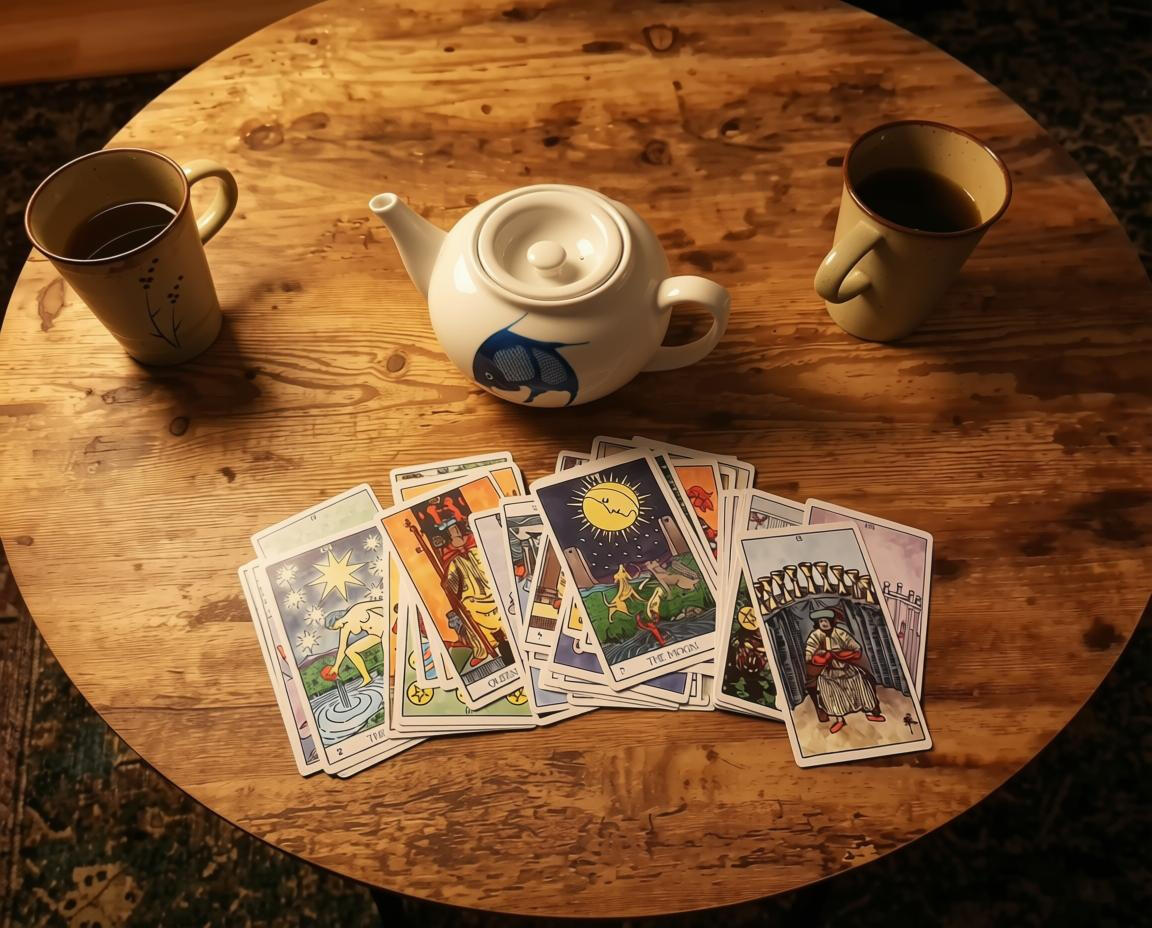
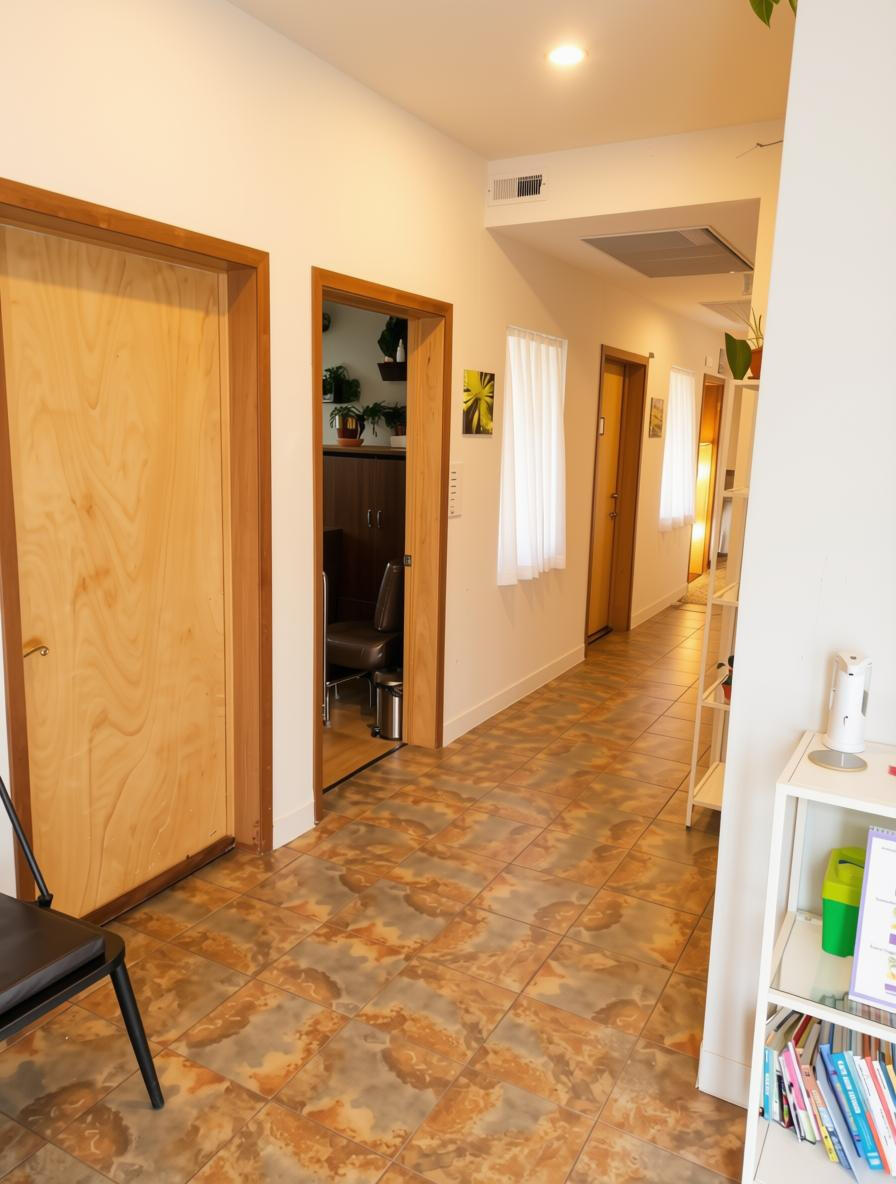
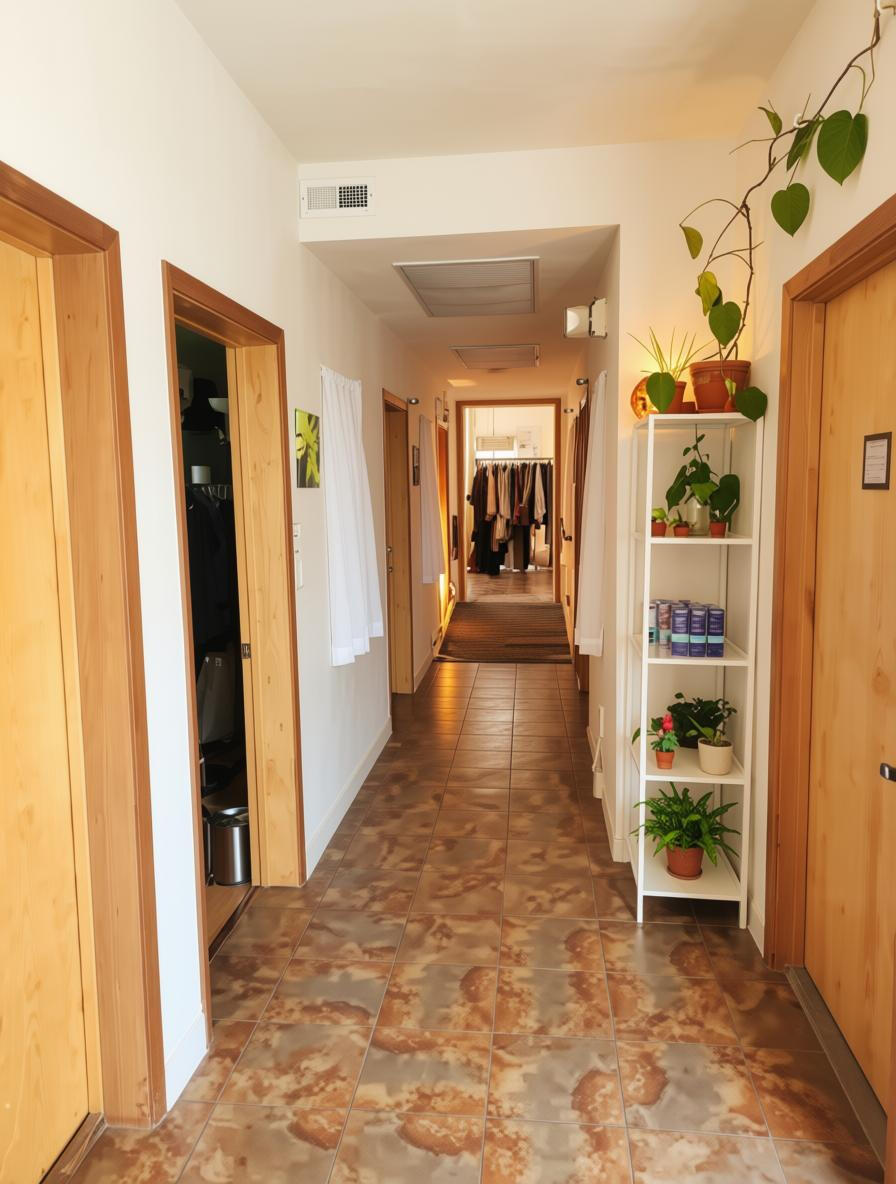
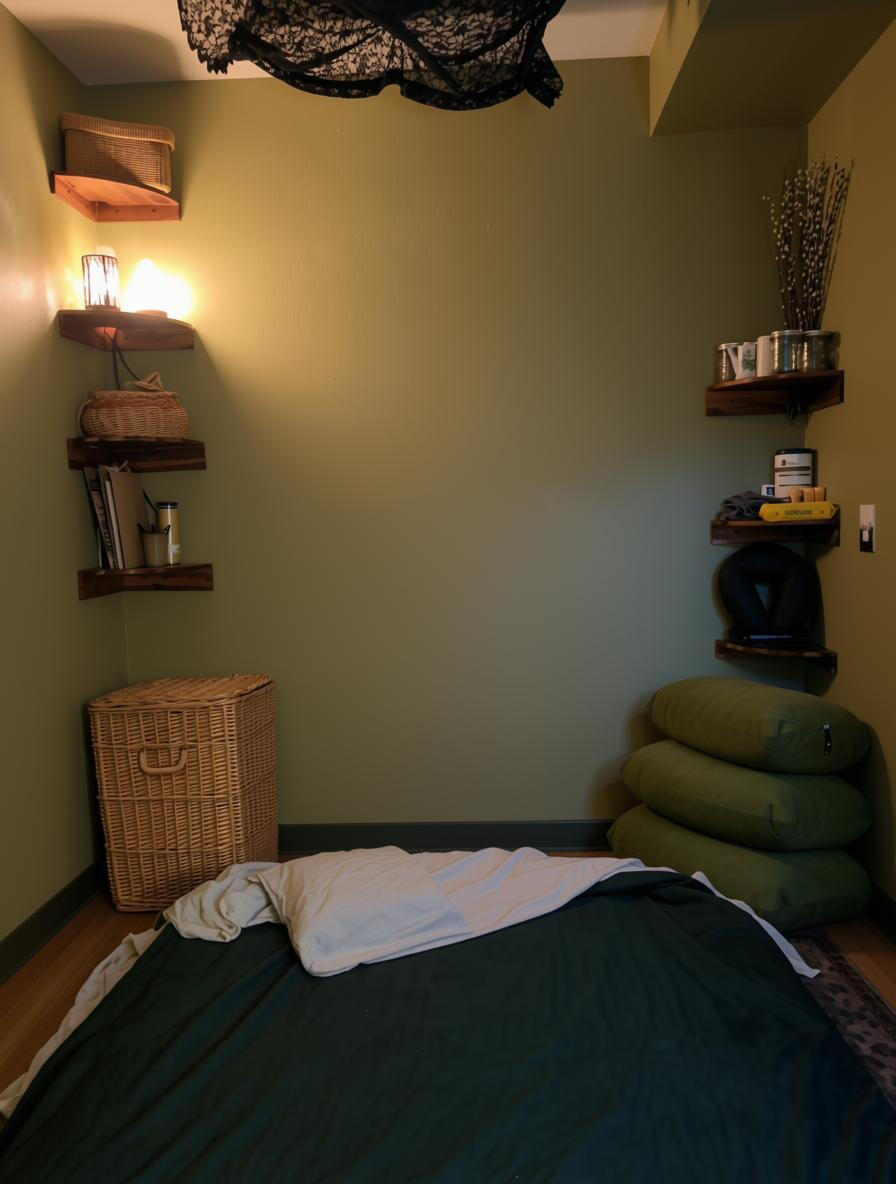
The fundamental goal of this work is to help you come into deeper relationship with your body at a pace that's safe for you: to better know your rhythms, boundaries, and desires. We can use a variety of tools and techniques to accomplish this goal, ranging from mat-based massage work (gentle structural integration, craniosacral, myofascial, somatic, etc -- people who are sensitive to pseudoscience (and yes some of these therapies do contain pseudoscientific elements) please click here for more info) to movement and biomechanics coaching, to somatic exercises and centering practices, to consulting runes or tarot cards. Frankly, during your session, it's up to you how much we dwell in the land of strict evidence-based materialism and how much we extend into the territory of "woo." We can roll with whatever frameworks work for you.The bodywork I practice is gentle but also provides enough depth to meet your body's needs for pressure. It focuses on alleviating chronic and acute pain, reducing stress, mapping boundaries, encouraging awareness of the body, and creating new patterns of movement. My original training is in gentle awareness-oriented structural integration, and my work is also informed by yoga, pain gate theory, trauma-informed care, and many other scientific and wisdom traditions.In each session we start with a centering practice and then see what calls our attention from there.
If you find yourself in a conflict where you feel stuck, overwhelmed, upset, and unsure of how to proceed, I may be able to offer support. I help people shift from polarized positions to mutual understanding while maintaining awareness of power dynamics, boundaries, desires, capacities, and needs. Ultimately, I want to help people better understand and connect with themselves, their relationships, and their communities through the conflicts they experience. My approach arises from the lineages of abolition, restorative/transformative justice, and relationship anarchy (see more in resources and about).
Additional note: I am not a licensed psychotherapist or social worker and I do not provide family, relationship, or couples' counseling. I offer support with specific conflicts and relational ruptures between friends, family members, partners, neighbors, and anyone else experiencing a conflict within their community. For ongoing issues in relationships, I highly recommend a sober assessment of the viability of the relationship as it currently exists and the support of a skilled long-term provider.
I have been through my fair share of conflicts that, from the inside, felt deeply painful and overwhelming. Regardless of how much knowledge and training we may have, when we are entangled in a conflict it can feel difficult to navigate our way through. When sympathetic arousal-- or fight/flight/freeze states-- comes into the picture, our capacity to reflect, connect, and reason becomes increasingly less accessible on a physiological level, often leading to feelings of overwhelm and/or the emergence of patterns and behaviors we might later regret. Sometimes people need help navigating conflicts in a way that preserves their own health and that of their relationships: this is normal, and social technologies have existed to support this need since time immemorial, though many of those have been suppressed or otherwise lost in recent times.My training has been a combination of formal learning and self-study (for more information, see my about page). My approach is collaborative and trauma/equity-informed. It emphasizes deep compassion, strong power analysis, and a healthy dose of pragmatism and realistic expectations. I use trauma-informed somatic and insight practices, conflict resolution interventions, and decolonial anthropological frameworks to help people better understand their context and their conflicts.Conflict is normal, natural, and even (potentially) healthy. When done well, it can open up space for greater intimacy with others, help you learn about your own energetic patterns and growth edges, and clarify your values.

Pseudoscience and Evidence-Based Practice
Many of us are aware that the field of massage therapy is rife with pseudoscience: from debunked claims about cerebrospinal fluid blockages in Craniosacral work to the ideas about manual fascial stretching and realignment present in Structural Integration (my original training, which is generally considered a pseudoscience by those who care about such things), and many more.Now, many of these nominally pseudoscientific therapies still consistently outperform placebos in the literature. One of the pivotal questions emerging in the manual therapy world over the past few decades revolves around how we account for real clinical effects when the proposed mechanistic explanations are biologically implausible.
Over my decade of clinical practice, I’ve come to the conclusion that I don’t need to endorse every theoretical claim to use a tool. If gentle manual work helps someone shift out of chronic sympathetic arousal, that’s physiologically real and experientially valuable regardless of how I may or may not understand the causal mechanism.
When it comes to manual therapy, pseudoscientific explanations for phenomena are frequently simply outdated ones. Many of these therapies are truly ancient (e.g. craniosacral therapy’s typically unacknowledged roots among the Cherokee/Tsalagi people, who have had their own epistemic traditions and explanations for describing the efficacy of their therapies), and ideas about manual fascial stretching might have been more understandable in the early twentieth century when the words “neuromuscular” or “nociplastic” hadn’t even been invented. For many of these therapies, more plausible causal mechanisms have emerged and continue to do so at the pace of new research. Of course, It’s worth mentioning here that manual therapy tends to suffer from a lack of fresh research because there’s much less money to be made from studying a massage technique than from investigating other health interventions like a new drug formulation.While I practice work that is consistent with styles and traditions of manual therapy often associated with psuedoscience, like the aforementioned craniosacral therapy and structural integration, my usage of these traditions is rooted in recent research and available evidence as much as it is also rooted in anecdote, tradition, and lineage. Below, for the excessively curious, I’ll highlight some pieces of the evidence profile that informs my work.
Fascial Glide
refers to the ability of fascial layers to slide smoothly against each other during movement. “Fascial restriction” or “adhesion” means the gliding has become impaired.Historically many manual therapists, including structural integration practitioners, believed that they could manually stretch and mold fascia and that this fascial manipulation accounted for the clinically significant improvements in movement, posture, and pain e they saw from working with their patients. This idea has been thoroughly debunked and we, as manual therapists, need to stop telling our clients that we’re stretching or molding their fascia: it would take almost two tons of force to achieve a 1% lengthening of this type of tissue (Chaudry 2008). No manual therapist is exerting that kind of force on their clients, and it would cause catastrophic musculoskeletal harm if they did.So what’s actually happening?Enter fascial glide. Fascia isn’t one sheet—it’s multiple layers with liquid in between: skin, superficial fascia, fascial planes, hyaluronan, and deep fascia. Hyaluronan is a viscous gel that acts as lubrication. It allows the layers of fascia to slide against one another and its consistency determines how easily these layers glide. When therapists feel like the fascia is moving or stretching, we’re probably feeling a combination of this glide and muscular responses.Why does glide change or improve in response to manual therapy? A clear answer to this question is still in the works, but for now a few explanations are plausible and not mutually exclusive. One is neurological modulation wherein pressure results in mechanoreceptor activation that reduces motor output (guarding, tone) and actives the parasympathetic nervous system (more on that below), meaning that the release is actually a muscular phenomenon wherein the nervous system reduces muscle tone. Another explanation holds that the hyaluranon becomes more fluid when agitated (ground substance fluidity or the “thixotropic” effect), resulting in better glide and that soft tissue deformation allows for a “creep” effect where the tissue slowly expands before bouncing back.
In my years of clinical practice I have found it true that many of us have a misconception regarding what pain is, how to effectively manage it, and how to not inadvertently make it worse. Pain science is an entire vast field of study, and I’ll mention a few pieces of that vast field further below. But foundational to this science are the three (as of 2017) functional categories of pain: nociceptive (pain from actual or threatened damage to non-neural tissue), neuropathic (pain from nerve damage), and-- most recently-- nociplastic (pain with no direct physical cause often resulting from a process called “central sensitization. Examples include fibromyalgia, chronic tension headaches, irritable bowel syndrome, chronic back pain without clear pathology).While massage and manual therapy can and do play a role in managing all of these types of pain, nociplastic pain management is where these methods truly shine. I will add here that the “no pain no gain” approach people frequently take to massage therapy is exactly the opposite of what will therapeutically benefit a person experiencing significant nociplastic pain: and utilizing this approach in response to the other types of pain— in my clinical experience— seems to lead more often to injury and exacerbation than to resolution of the underlying issues. It’s also worth pointing out here than many of the pain types listed in the “nociplastic” category are traditionally feminized presentations and were often nested under the label “hysteria:” funding for research involving these types of pain is still much more scant than funding for other types of pain.The gate control theory of painbasically boils down to: rub it and it feels better, even if you haven’t resolved the underlying issue. This is one reason why a massage can resolve pain temporarily, only to have it creep back minutes to hours later— which is not to entirely denigrate massage therapy here, because gating pain can be a completely reasonable part of a pain management plan. Example: When you stub your toe, your first instinct is to rub it. Why? Because the large-diameter A-β fibers carrying touch/pressure signals fire faster than the slower A-δ/C pain fibers. Activating these “large fibers” closes the gate, blocking or reducing the pain signal before it reaches conscious awareness.Endorphin-mediated analgesiadescribes the “hurts so good” feeling that people often chase via deep manual therapy. Conditioned pain modulation, wherein the pain felt from one stimulus inhibits perception of pain from another, can also play a role here. While there is some evidence that this kind of deep tissue therapy performs better than no treatment in regard to pain reduction (Law et.al. 2008), the risk of harm more than outweighs the benefit.While I’m on my soapbox, a few choice quotes:“Massage doesn’t have to be painful to be therapeutic.” (Harvard Health 2014)“There is no clear justification for painfully intense ‘deep tissue’ massage, and it’s actually hazardous to many patients” (Paul Ingraham/PainScience.com 2025) (I’m going to spend my entire career hollering this into the void)“Massage reduces pain regardless of pressure preference (when matched to client tolerance” (Mak 2024)In case I’m not being clear enough: painful manual therapy re-enforces patterns of tension blunts capacity for the experience of subtle interoception that is so much more transformative and healing to people’s tension patterns than the feel-good high that lasts a few hours after a painful massage triggers endorphin-mediated analgesia.Per lessons learned from the field of somatics, when we work with your body by working together to keep your session as deep as you want, but relaxing and non-painful, you’re actively participating in a neuromuscular reeducation process that allows your body to release and re-pattern its relationship to pain and tension. In fact, ultimately, it’s often the case that we will be able to do deeper work in the long run because we’ve moved at the pace of your body, provided non-nociceptive inputs that can be integrated by your neuromuscular system, and built embodied trust. This, as opposed to fighting your body with massage that produces pain and tension and triggers the release of endorphins and ultimately creates more layers of tension and pain in the long run. When the nervous system isn’t bracing against anticipated pain, you can achieve deeper physiological effects without actually applying more force.So all y’all need to stop asking me to grind you into paste and go find a dominatrix instead. No shame or shade to the masochistic among us, but I’m actually not a meat grinder and you want a different kind of therapy than the one I’m offering. But also: how did our relationships to our bodies become so fractured that we equate pain with therapeutic value?Emotional regulation and muscular tone are bidirectionally linked.Therapeutic Alliance, Narrative Reauthoring, and Parasympathetic ActivationTherapeutic alliance describes the feelings of trust, collaboration, and attunement between practitioners and their clients. When clients feel more therapeutic alliance with their providers, they consistently experience more satisfaction and more improvement in symptoms. Solid therapeutic alliance can support clients with “narrative reauthoring” i.e. moving from narratives like “I have a bad back” to narratives like “I can learn how to build relationship with my back to reduce my tension and pain.” Therapeutic alliance is more predictive of positive outcomes than any specific modality or technical approach. Ruptures in or failure to adequately establish therapeutic alliance are linked to client dropout and poor outcomes.“The quality of the client-therapist alliance is a consistent predictor of positive clinical outcome independent of the variety of therapy approaches and outcome measures.”(Flückiger et al. 2018)Another result of therapeutic alliance is parasympathetic activation (rest/digest). Your stress levels go down. Your body relaxes. Curiosity can flourish and learning can happen in a way that’s much more difficult during sympathetic arousal (fight/flight/freeze states). Chronic tension patterns and nociplastic pain often come hand in hand with chronic sympathetic arousal.The Window of ToleranceThis concept describes the states of sympathetic activation, but it also points to some important context: surrounding the “window of tolerance” are sympathetic nervous system states of hyper- (fearfulness, jitters, panic attacks) and hypo-arousal (dissociation). Emotional regulation and muscular tone are bidirectionally linked. When I work with clients my goal is to keep them in the window of tolerance, or to bring them there if they chronically live outside it. I encourage them to notice their body’s boundaries and respond to resistance instead of overriding it (which, frankly, can be very difficult to do because so many people are so deeply trained to override the signals of their own bodies.) in order to build interoceptive capacity and reduce dissociative responses. Encouraging clients to build alliance with their own bodies in this way also contributes to a sense of autonomy, a greater capacity for relaxation, a decrease in threat response, injury prevention, and better tolerance toward stimuli. In fact, I’ve noticed that clients who are responsive to their own pain signals can often take significantly deeper pressure without pain than the vast majority of painful deep tissue massage lovers.I’ve had many clients tell me that they had never had anyone else work on tender parts of their body in a way that wasn’t painful. This isn’t a brag about my skill as much as it is an indictment of how we as manual therapists sometimes further alienate our clients from their bodies and contribute to the problematic, untrue, and deeply unfortunate ideas our clients have about the inherent therapeutic value of pain.
Neurological Modulation- The release is a muscular phenomenon wherein the nervous system is what reduces muscle tone.
Pain Studies
The Gate Control Theory of Pain
thanks to yoksel